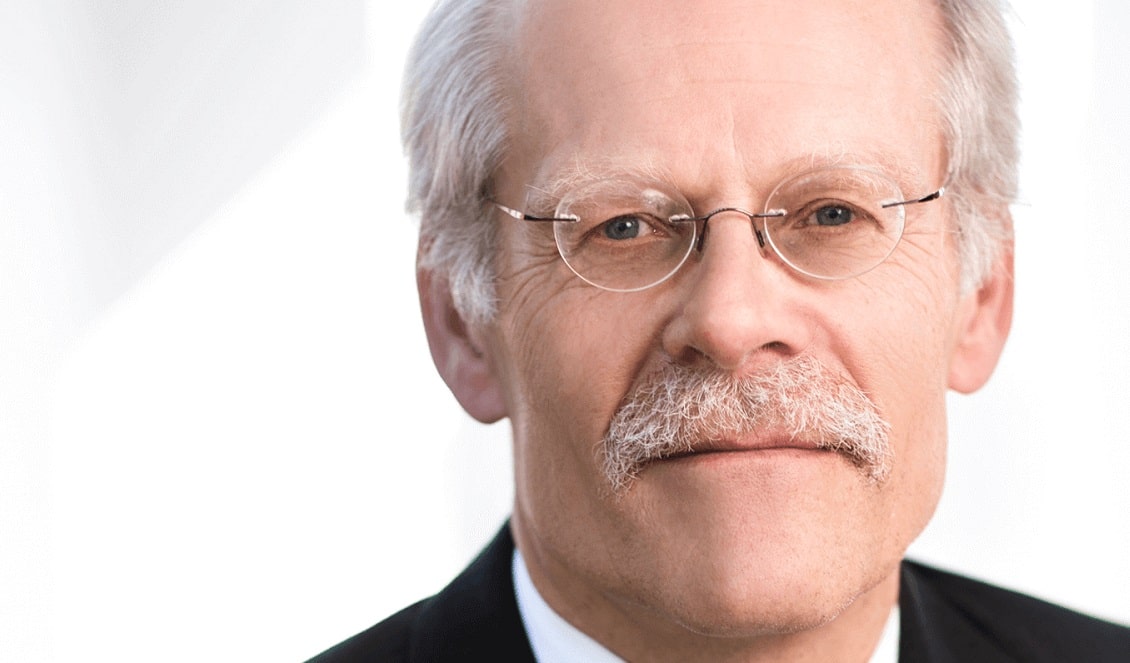
“The pandemic has had a major impact on the economy, both in Sweden and abroad.” This comment was made by Governor Stefan Ingves today when he took part in the Riksdag Committee on Finance’s annual open hearing on financial stability. In addition to the Riksbank Governor, others taking part in the hearing included Minister for Financial Markets and Housing Per Bolund, Finansinspektionen’s Director General Erik Thedéen, and Swedish National Debt Office Director General Hans Lindblad.
Mr Ingves emphasised how the extensive support from central banks, governments and public authorities around the world has contributed to avoiding a global financial crisis. Although the spread of infection is still at a high level and continues to slow down the economic recovery, it is positive that vaccination has begun, as this is important for future prospects. However, Mr Ingves also pointed out that although the challenges arising from the pandemic have been handled well so far, the way forward remains uncertain.
Continued interaction between fiscal and monetary policy is important
Mr Ingves further pointed out that it is important that the different policy areas continue cooperating to aid the recovery. He emphasised that the Riksbank’s measures contribute to a functioning credit supply and to interest rates remaining low. If the crisis becomes more prolonged, more fiscal policy support may be needed, both general measures and measures targeting particularly vulnerable sectors and industries. The Riksbank stands ready to provide with the liquidity necessary to support credit supply. In addition, it is important that banks do what they can to supply sufficient credit to companies and households.
Stefan Ingves: Several risks to financial stability
Mr Ingves also discussed risks in the longer term. These include risks linked to the support measures implemented during the crisis, for instance, both private sector and public sector indebtedness have increased in several countries. Moreover, the support measures can lead to the financial sector counting on always being rescued by governments, central banks and other public authorities, which can lead to greater risk taking. Some risks are in certain aspects greater abroad, for instance, the banking sector in the euro area is in worse condition and the public finances are weaker than in many other countries. But there are also tangible risks in Sweden. Mr Ingves explained that the high level of household indebtedness makes the economy very vulnerable and reducing this vulnerability requires a more extensive review of taxation and housing policy, rather than patching over when problems arise.
The pandemic highlights the importance of good resilience in the financial system
“When the economic situation permits, resilience needs be strengthened again,” said Mr Ingves. If banks have used parts of their capital and liquidity buffers, they will need to gradually build them up again when the crisis is over. In addition, it is important that the established regulatory frameworks are retained and not undermined. It is therefore important that, for instance, the exemption from the amortisation requirement remains temporary. Finally, concluded Mr Ingves, climate-related risks should remain an important part of the supervision of financial institutions and be integrated into the financial stability analysis.